Solar Ready Roof Upgrades That Matter for Homes in North Carolina
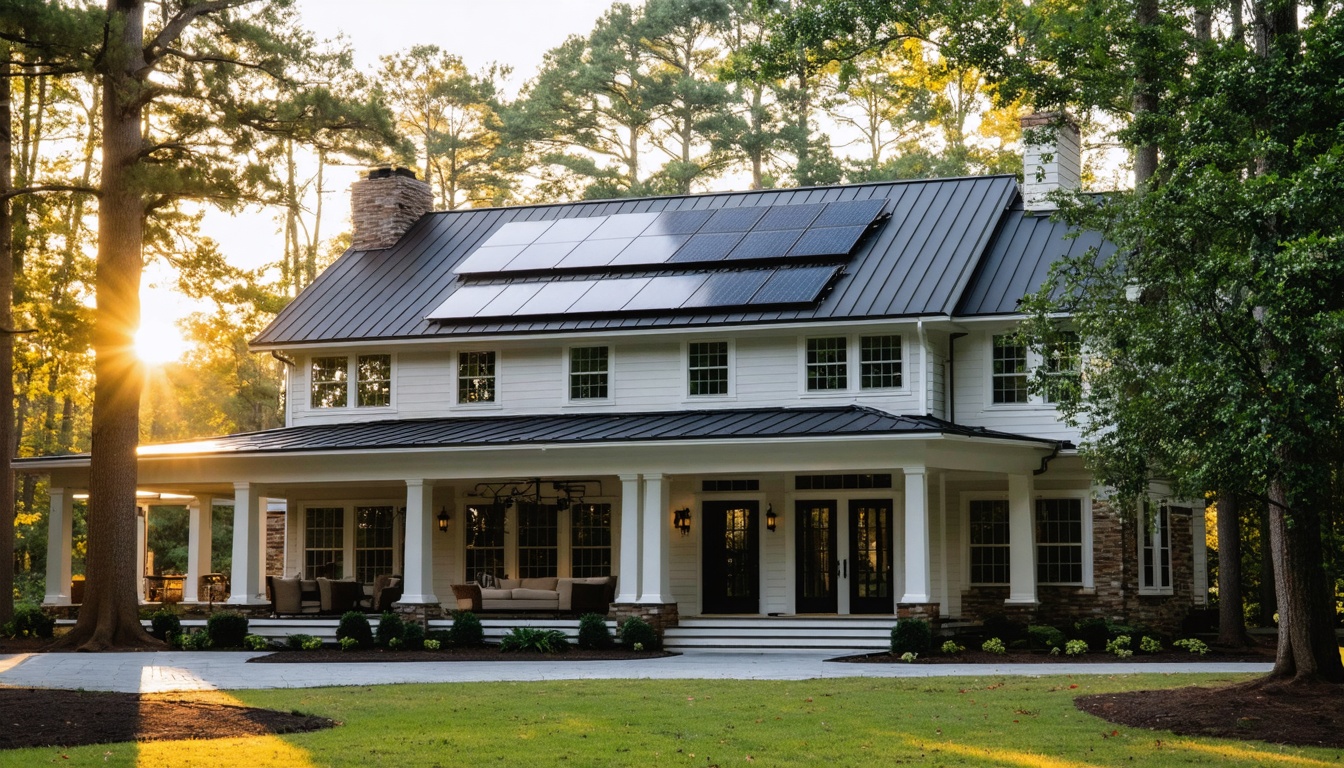
When considering solar ready roof upgrades for homes in North Carolina, various factors should be evaluated to enhance property value and reduce energy costs. The state's climate is conducive to solar energy systems; however, the suitability of a roof for solar installations is contingent upon multiple aspects.
Key considerations include the roof's durability, orientation, pitch, and material. A durable roof is essential to support solar panels effectively over the long term. Additionally, the roof's layout should accommodate solar panel configurations that optimize sun exposure. Factors such as potential shading from nearby trees or buildings can significantly influence a solar panel's energy production.
Moreover, local weather patterns must be assessed to ensure that the roof can withstand regional conditions, including high winds or heavy rainfall. Proper installation techniques and roofing materials that are weather-resistant contribute to the longevity and efficiency of solar installations.
Overall, adequate preparation and informed decision-making regarding roof upgrades are crucial for maximizing the benefits of solar energy investments in North Carolina. Ensuring that these upgrades are in line with future energy requirements can contribute positively to both residential energy efficiency and property value.
Evaluating Sunlight Exposure and Roof Layout
When preparing for solar panel installation, it is important to conduct a detailed assessment of the direct sunlight exposure on your roof. This assessment should include an analysis of potential shading caused by nearby trees, other buildings, and various structural components of the roof to ensure that the solar panels can perform efficiently.
In North Carolina, it is recommended to hire a certified contractor or a Solar Installation Company who can evaluate both the orientation and pitch of your roof, as these factors play a critical role in solar energy production. Tools such as Project Sunroof and resources provided by Duke Energy can aid homeowners in conducting a comprehensive design analysis, while also ensuring compliance with the HERO Code.
It is also essential to consider the specific requirements of your solar energy system. This includes evaluating the compatibility of mounting hardware and exploring the integration of storage solutions, such as the Tesla Powerwall Battery, to comply with warranty stipulations and manufacturer guidelines.
For multifamily residences or green building projects, obtaining professional quotes or consulting the relevant Power FAQ steps can provide a more thorough understanding of the available options and ensure that all necessary considerations are addressed.
Choosing Durable Roofing Materials for Solar Installations
When preparing your North Carolina home for solar panel installation, selecting durable roofing materials is a critical factor. It is recommended to consider options such as metal or tile roofing, which typically have lifespans of 50 years or longer. This choice can reduce the likelihood of needing to remove and reinstall solar panels in the future, thereby mitigating risks related to potential damage and associated costs for maintenance or replacement.
In addition, it is prudent to choose roofing materials that are backed by manufacturer warranties. These warranties can offer reassurance concerning the effectiveness of both the mounting hardware and the solar panels installed, which is important for ensuring a reliable solar energy system.
Furthermore, incorporating reflective roofing materials can improve energy efficiency, particularly in warmer Southern climates where managing heat is crucial. When used alongside energy storage systems, such as the Tesla Powerwall, these materials can play a role in maximizing overall energy performance.
It is advisable to consult with a certified contractor to evaluate your specific roofing needs and determine the most suitable materials for solar installations. This professional assessment is essential for ensuring that your home is properly prepared for solar technology.
If further information or a detailed quote is needed, reaching out to industry professionals is suggested.
Addressing Roof Structural Integrity and Age
The structural integrity and age of a roof are significant considerations when evaluating its capacity to support a solar panel system. Roofs older than 15 years should undergo a thorough inspection by a certified contractor to determine their condition and suitability for solar installation.
In North Carolina, compliance with Green Building standards for roofing components and structures is essential to ensure the performance and energy efficiency of solar panels.
Addressing any identified structural issues is a prudent decision, as it can avoid the potential costs associated with removing and reinstalling solar panels for future repairs or maintenance. It is advisable to consult with companies like Builders Builder Services or similar contracted firms to verify that your roof meets the manufacturer's warranty requirements and specifications for mounting hardware.
Homeowners interested in solar panel systems should consider a comprehensive assessment of their roof's condition. They may also benefit from consulting resources such as the Duke Power FAQ to make informed decisions regarding solar energy options and implications for their property.
Planning for Future Energy Demands and Upgrades
When planning for a solar-ready roof upgrade in North Carolina, it is essential to evaluate both current energy usage and potential future energy requirements. This evaluation should take into account considerations such as the installation of electric vehicle (EV) charging stations, battery storage systems, and improvements to heating, ventilation, and air conditioning (HVAC) systems.
The state's increasing energy costs suggest that incorporating solar panels, including systems like the Tesla Powerwall, could offer cost savings and enhance energy efficiency.
It is necessary to ensure that the roof structure and its components are adequately equipped for solar panel installation. This includes the necessary mounting hardware for secure attachment of the panels. Moreover, observing manufacturer warranties is important to maintain the performance and integrity of the installed solar systems.
Homeowners, multifamily residential buildings, and commercial properties are advised to consult certified contractors for proper installation of solar systems. Resources from Duke Energy, including their Frequently Asked Questions and community partnership programs, can provide guidance on compliance with building codes and green certification standards.
Seeking expertise from professionals can help ensure that the installation meets safety requirements and optimizes energy use.
Coordinating Solar Panel Removal and Reinstallation in North Carolina
In North Carolina, when repairs or replacement of your roof is necessary after solar panel installation, it is crucial to approach the removal and reinstallation process with a structured plan.
Hiring a certified contractor who specializes in both solar systems and roofing is recommended. This expertise can help mitigate potential costs and disruptions associated with the process.
The initial step involves diagnosing the solar panel system to confirm its functionality prior to removal. Proper removal and secure storage of the solar panels, Tesla Powerwall Battery, and mounting hardware are important to preserve their condition and ensure optimal performance upon reinstallation.
Additionally, documenting all components is essential for maintaining compliance with warranty requirements, local building codes, and relevant Green Building Certification Programs.
Costs for panel removal can vary but typically range from $300 to $400 per panel. Factors influencing these costs may include the size of the panels and any specific circumstances related to your property.
For individuals considering renovations involving solar panels, it is advisable to obtain detailed quotes, and to explore potential incentives such as the PowerPair Incentive for Tesla products, as well as services offered by builders or contractors experienced in these types of projects.
Conclusion
Preparing your North Carolina home for solar energy involves several practical considerations that can enhance your property's value and efficiency over time. The process of making your roof solar ready includes evaluating the roofing materials used, determining the structural integrity of the roof, and ensuring compliance with local building codes.
Choosing appropriate materials is crucial as they can impact the installation and performance of solar panels. For example, roofs made of asphalt shingles, metal, or tile tend to be more suitable for solar panel installation. Assessing the strength of your roof is also important, as solar panels add additional weight. A roof that is not structurally sound may require reinforcement or repairs before solar installation.
Collaborating with experienced professionals in the solar industry can ensure that all aspects of the installation adhere to regulations and quality standards. Furthermore, by preparing your roof now, you position your property to efficiently adopt solar technology in the future, potentially leading to reduced energy costs and access to incentives for renewable energy use.
Overall, proper preparation for solar energy solutions is a methodical approach that emphasizes factual assessment and planning to achieve practical energy savings and environmental benefits. |